Compliance
What CASA Approval Means for Your Drone Project
If you’re commissioning drone work in Australia, one thing shapes almost every decision: CASA. The Civil Aviation Safety Authority sets the rules for who can fly commercially, where they can fly and what approvals are needed for a given site. Understanding CASA approval — even at a high level — helps you plan realistic timelines and know what a professional operator should be doing on your behalf.
This guide explains the essentials in plain English.
Who CASA lets fly commercially
Flying a drone for a business or as a paid service isn’t the same as flying one recreationally. For most commercial work, an operator holds a Remote Operator’s Certificate (ReOC), and the person flying holds a Remote Pilot Licence (RePL). Together these show CASA that the operator has documented procedures, trained pilots and the safety systems to run commercial operations.
When you engage an operator, it’s reasonable to ask about their ReOC and RePL. Our CASA-certified pilots operate under a Remote Operator’s Certificate, and we’re happy to confirm our credentials for your project records.
Standard operating conditions
CASA sets a baseline set of rules known as the standard operating conditions. In broad terms, these include flying below 120 metres above ground level, keeping the drone within visual line of sight, staying clear of people not involved in the operation, only flying one drone at a time, and not flying in a way that creates a hazard to other aircraft or people.
A lot of commercial work — mapping a paddock, surveying a quarry, inspecting a roof on private land — can be flown within these standard conditions. When a job can be done this way, the approval side is straightforward and the main work is planning the flight itself.
When extra approvals are needed
Some sites and tasks fall outside the standard conditions. Common examples include:
- Controlled airspace — near airports and some aerodromes, where flights are subject to CASA approval and coordination with air traffic control.
- Restricted or danger areas — around military zones and other sensitive sites.
- Flying above 120 metres, at night, or beyond visual line of sight.
- Operating close to people or over populous areas.
In these cases, an operator may need a specific approval or authorisation from CASA, and sometimes clearance from the relevant airspace authority. These approvals take time — sometimes days, sometimes longer — which is why an experienced operator raises them early rather than on the day of the flight.
What this means for your timeline
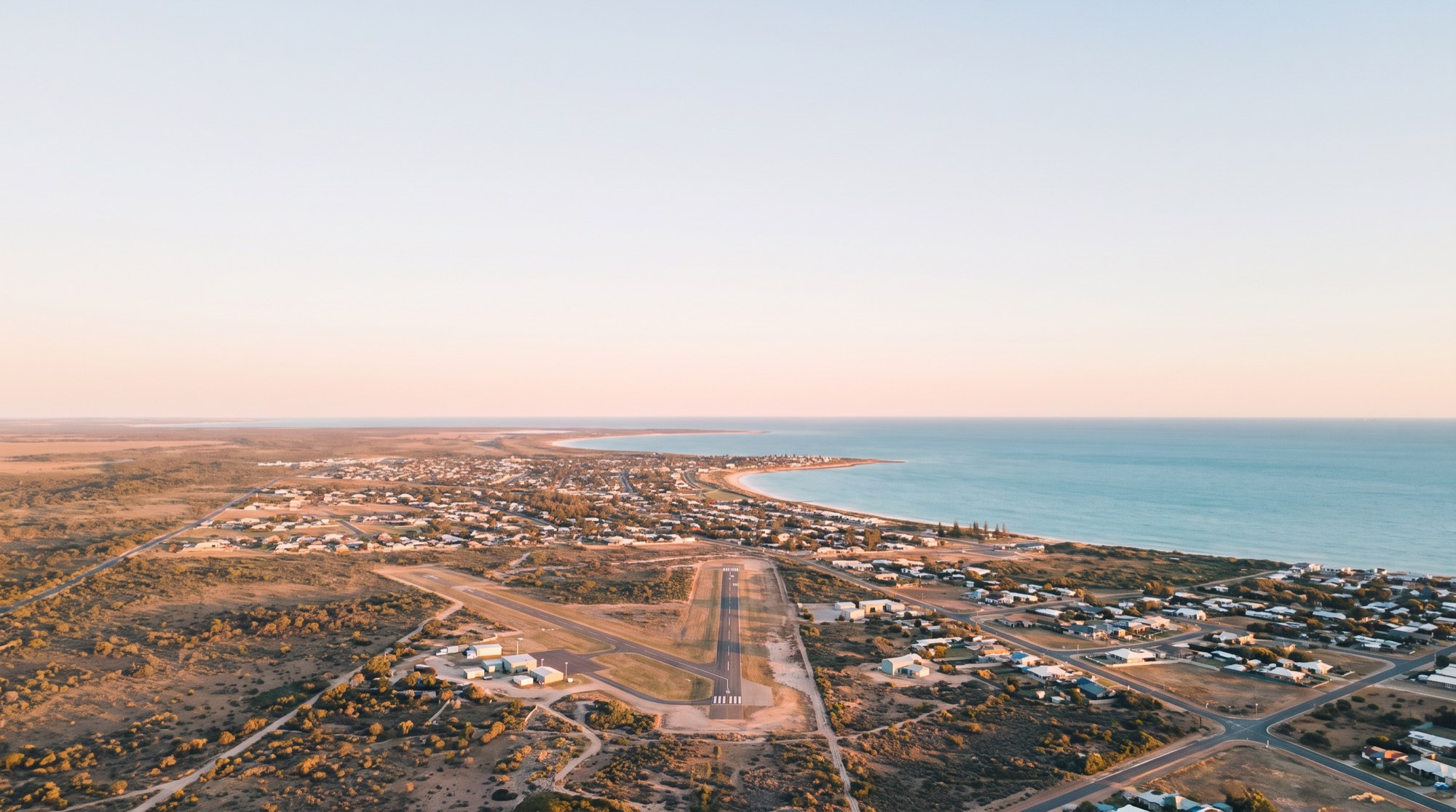
The practical takeaway: airspace determines your schedule as much as the weather does. A site in open airspace can often be flown at short notice. A site under a controlled airspace step, near an aerodrome, or requiring an out-of-the-ordinary flight needs lead time to secure approval.
When we scope a job, checking the airspace over your site is one of the first things we do. If the location needs a CASA approval, we tell you up front and factor it into the timeline, so there are no surprises when it’s time to fly. We can’t promise a specific site will be approved — that’s CASA’s call — but we can assess it honestly and manage the process for you.
What to expect from a good operator
A professional operator should:
- Confirm their ReOC/RePL credentials when asked
- Check the airspace over your site before quoting a firm date
- Flag any CASA approvals the job needs and the lead time involved
- Carry out a site risk assessment and follow their documented procedures
- Be clear about what they can and can’t commit to, rather than promising the world
How this ties into your project
Most of our survey and mapping work — like aerial mapping, topographic surveys and construction site surveys — is planned around the airspace at your site from the very first conversation. Inspections and captures near controlled airspace are always subject to CASA approval, and we’ll walk you through what that means for your specific location.
If you’re planning a project and want to understand the approval side before you commit, get in touch with the site location and we’ll give you a straight read on what’s involved.