
Drone Inspections
Drone Solar Panel Inspections
Aerial thermal surveys that pinpoint underperforming modules and hot spots across solar arrays without manual panel-by-panel access.
Find underperforming panels from the air
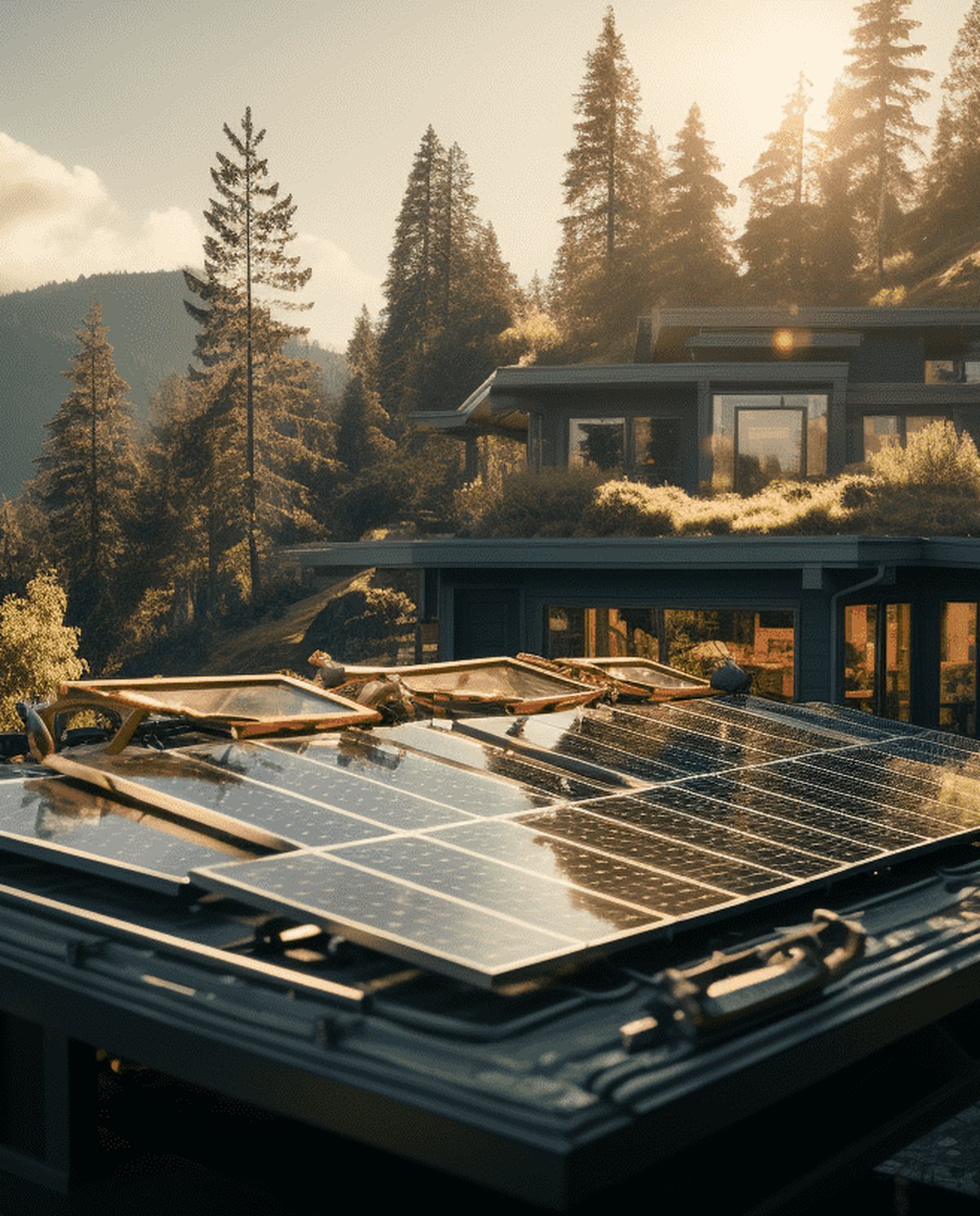
Drone solar panel inspections locate faults across an array quickly, without a technician walking or climbing every row. Using radiometric thermal imaging, we capture the temperature signature of each module in flight — surfacing hot spots, bypassed strings, cracked cells and connection faults that a visual check alone can miss. Every finding is mapped to its position in the array, so your maintenance team knows exactly which panel to attend.
For rooftop and ground-mount systems alike, that means faster fault-finding, less time on the roof, and clearer data behind every maintenance decision.
Who it’s for
- Solar installers and O&M providers commissioning or servicing systems
- Commercial and industrial site owners with large rooftop arrays
- Solar farm and utility-scale operators managing thousands of modules
- Asset managers and investors verifying performance across a portfolio
- Facilities teams troubleshooting an underperforming system
What’s captured and delivered
We pair radiometric thermal imagery with high-resolution visual capture, so each flagged anomaly is documented both by its heat signature and its physical appearance. You receive:
- Radiometric thermal imagery across the full array
- Hot-spot and anomaly identification at module level
- A geotagged fault log tied to each panel’s position
- High-resolution visual stills of flagged panels
- An annotated PDF inspection report
- An orthomosaic array map for utility-scale sites
Thermal readings are reported as measured temperature differences and anomaly patterns — indicative aerial data that identifies visible and thermal anomalies for further assessment. Electrical diagnosis, testing and rectification should be carried out by a licensed electrician or accredited solar technician.
Our process
- Scope — you share the array size, mounting type and access details.
- Site and airspace check — we confirm access, irradiance conditions and the airspace over the site.
- Capture — a thermal and visual flight, ideally flown in clear, high-irradiance conditions for reliable contrast.
- Analysis — we review the thermal data and mark anomalies module by module.
- Reporting — a geotagged fault log and annotated PDF, typically within 3–5 business days.
Why it’s worth it
Catching a faulty module early protects generation and revenue, and an aerial survey covers a whole array in a fraction of the time of manual testing. You avoid unnecessary roof time for staff, reduce downtime, and build a repeatable thermal record you can benchmark against future inspections.
Thermal patterns also tell you the type of fault, not just its location. A single hot cell reads differently from a bypassed string or a whole panel running warm, and that distinction helps your technician arrive with the right parts and plan. For O&M providers reporting to asset owners, the geotagged fault log doubles as clear, defensible evidence of what was found and where — useful for warranty claims and performance reviews alike.
Airspace and safety
Our CASA-certified pilots operate under CASA standard operating conditions, keeping a 30m separation from people not involved in the operation. Airspace near controlled zones and aerodromes is checked live for every booking, and flights in those areas are subject to CASA approval. We confirm what’s achievable at your site before we attend.
Book a solar inspection
Want to know which panels are dragging your yield down? Request a quote with the site address and array size, and we’ll confirm the flight plan and reporting window.
Flights are planned under CASA standard operating conditions. Work near controlled airspace or aerodromes is subject to CASA approval, checked per booking.
More in Drone Inspections
 Drone Roof Inspections Fast aerial roof condition surveys that replace ladders and rope access with high-resolution visual and thermal data.
 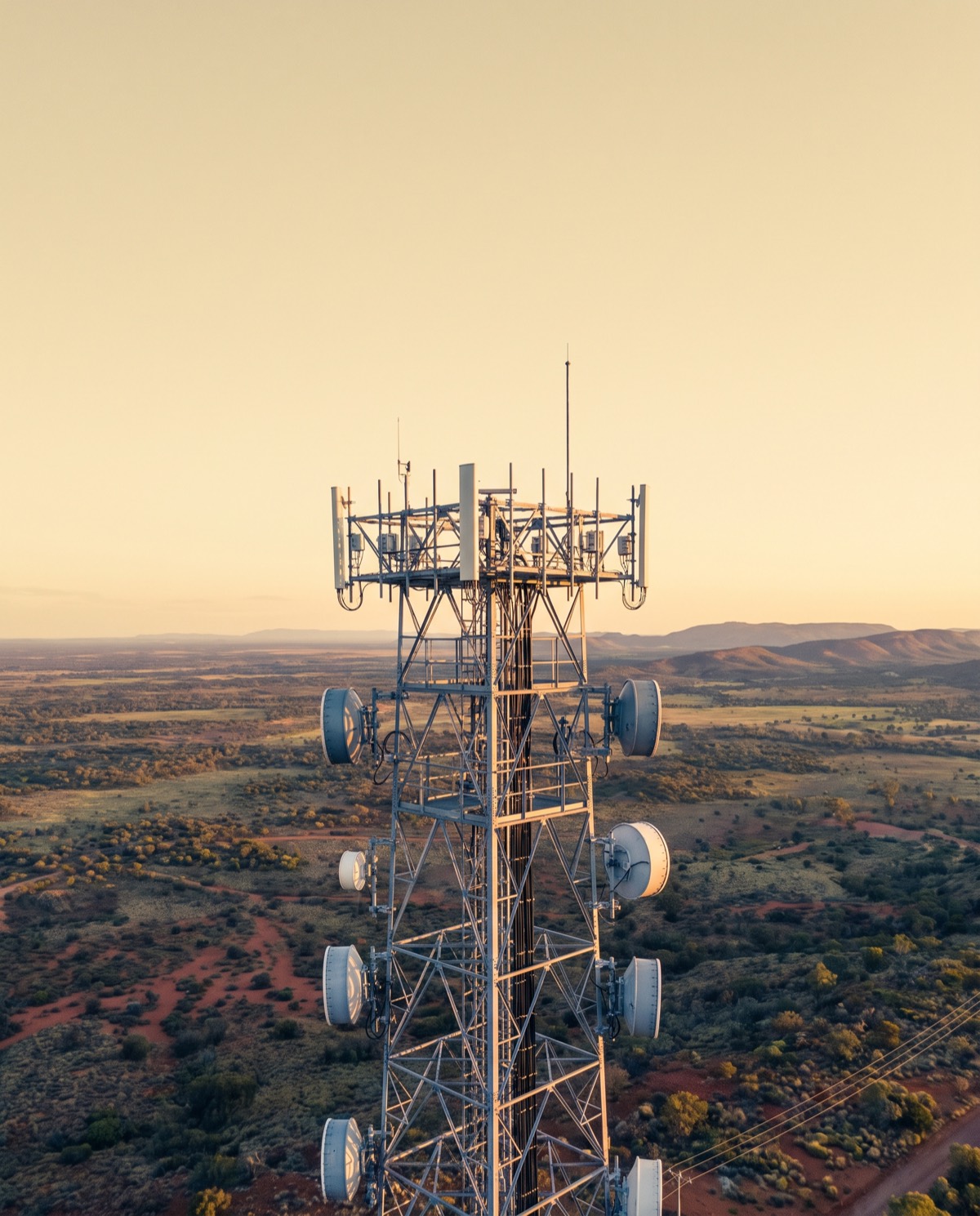 Drone Telecommunications Tower Inspections Close-range aerial surveys of towers, antennas and mounts that reduce rigger climbs and keep crews safely on the ground.
 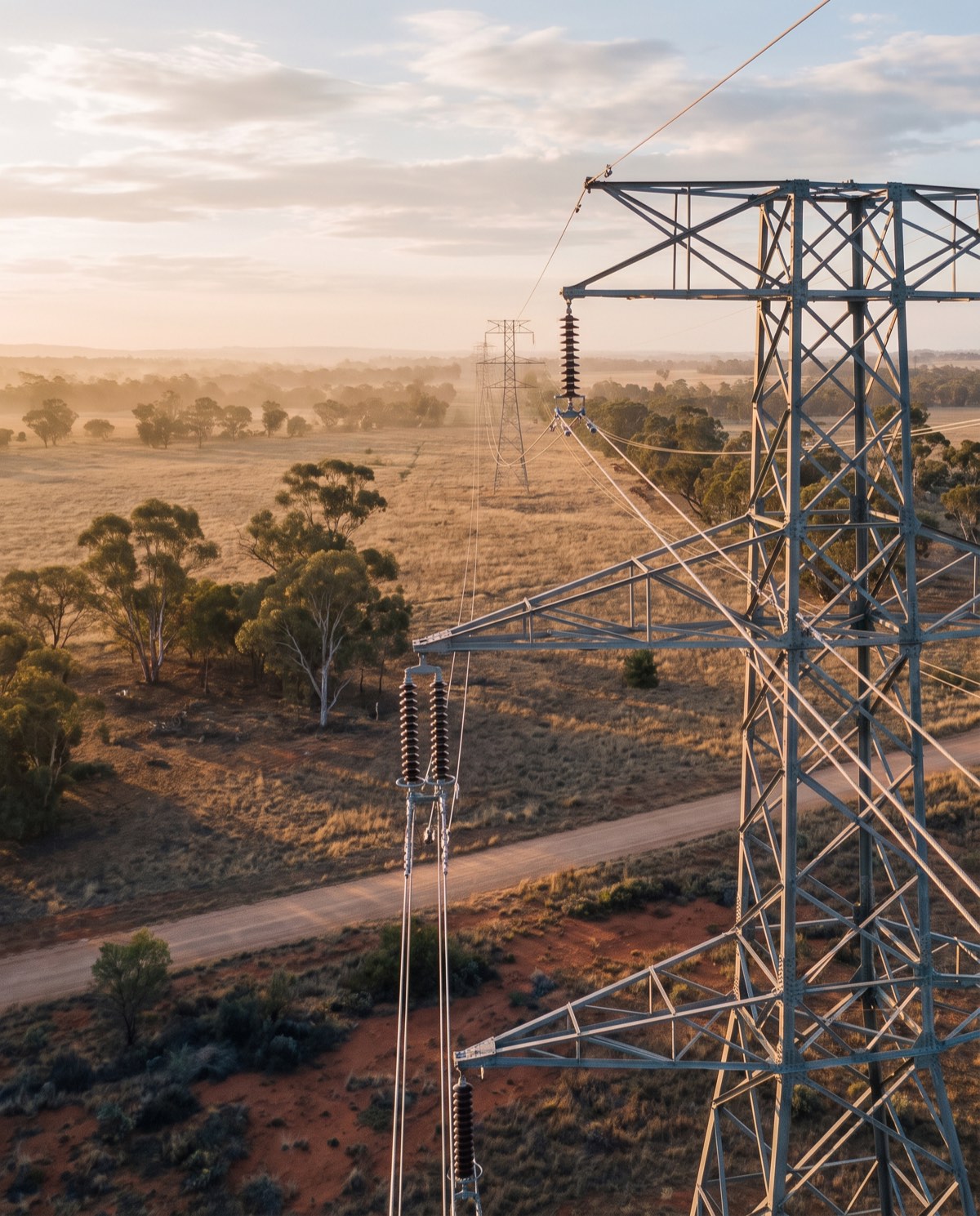 Drone Powerline Inspections Aerial visual and thermal surveys of powerlines, poles and hardware that keep crews clear of live infrastructure and difficult terrain.
 Ready to book drone solar panel inspections?
Tell us the site and the job — we’ll confirm the flight plan, airspace and reporting window.